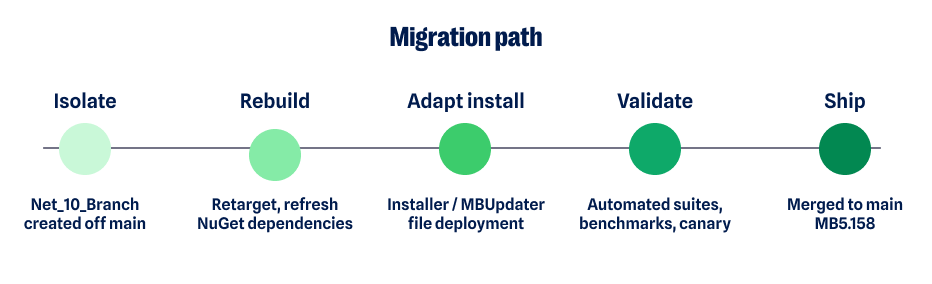
The hidden work of modernizing Malwarebytes
Why disciplined dependency modernization is one of the highest-leverage engineering investments a security product can make.
Why disciplined dependency modernization is one of the highest-leverage engineering investments a security product can make.
Kaspersky GERT experts have discovered new backdoors used by the Toy Ghouls group. One version of the backdoor uses the HiveMQ MQTT broker as its command-and-control server; the other uses the Matrix-
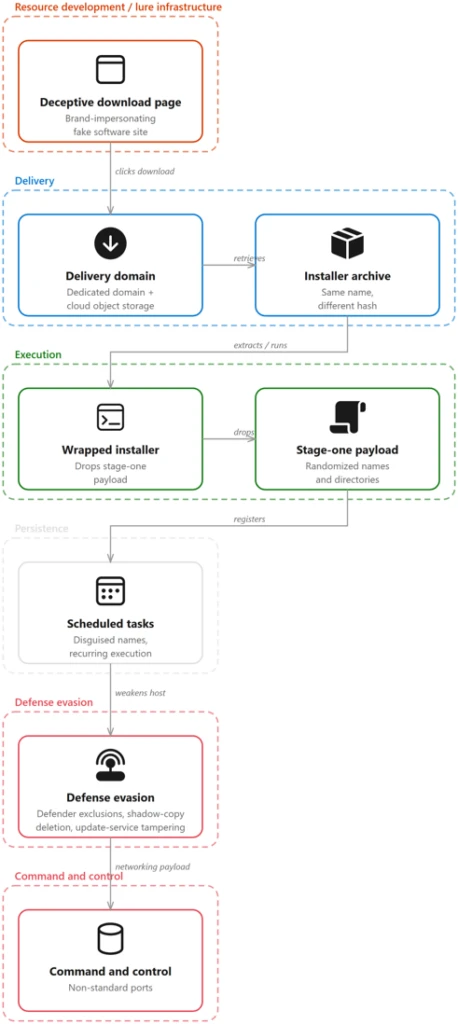
An active campaign is impersonating legitimate software vendors to deliver malware through look-alike download pages and regenerated installer archives. Microsoft Defender Experts shares observed atta
Kaspersky researchers have discovered new Mirage Kitten attacks using previously undocumented malware families: NodeRabbit in Node.js and PollCat in JavaScript.
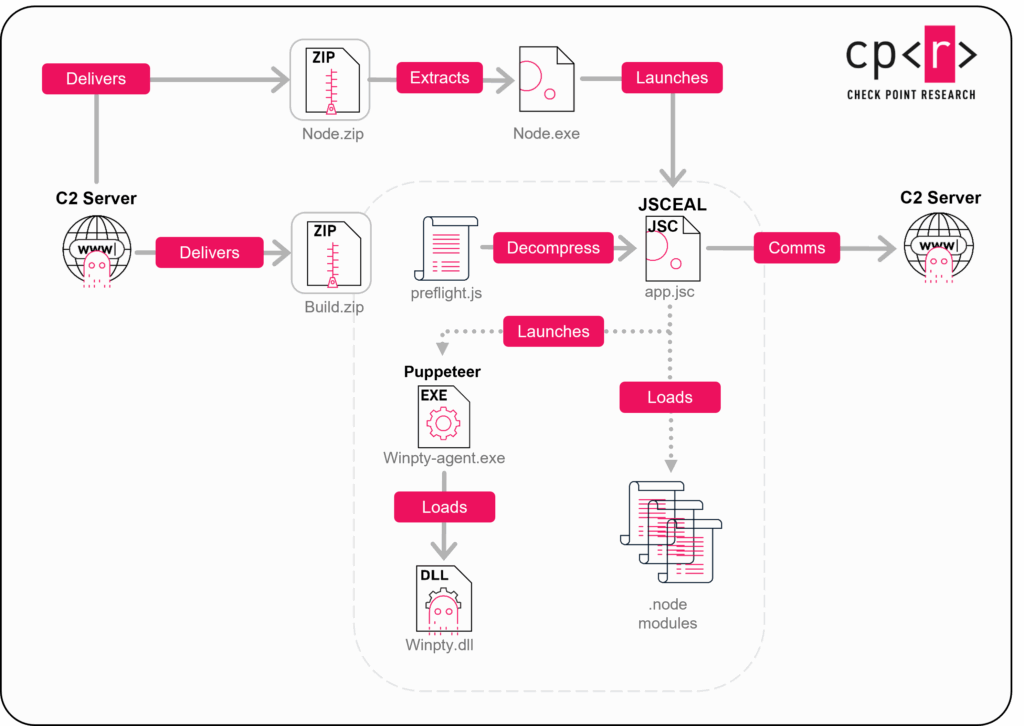
Research by: hasherezade Key Points Introduction JSCeal is a stealer delivered as compiled V8 bytecode (.jsc) and executed by a bundled Node.js runtime, targeting cryptocurrency applications (oth
Threat actors are distributing the ValleyRAT backdoor disguised as adware. We analyze the infection chain, from the malicious installer to the final payload.
The New York Times has a long article ( alt link ) on surveillance systems aimed at babies. They are increasingly using AI. Nanit and its rivals want to own 24/7 health tracking for the sub-four-foot
Kaspersky expert has discovered new Android malware designed to serve ads and build a proxy botnet. It's delivered through legitimate software for DoFun head units.
Our experts discovered a new CoolClient backdoor variant with a kernel-mode rootkit driver that hides malicious processes, files, and network connections from security tools and threat analysts.
This week on the Lock and Code podcast, we speak with Chris Parr about his inventive and all-too-funny stress-test of surveillance pricing.
The report presents key trends and statistics on malware that targeted personal computers running Windows and macOS, as well as internet of things (IoT) devices, during Q2 2026.