
As organizations incorporate AI agents into more processes across business and operations, security teams can benefit from greater visibility and new purpose-built tools that help manage, secure, and govern AI. This month’s updates provide new capabilities to help organizations gain insights into agent activity, expand security coverage across supported environments, and enhance security management across their environments.
Here’s what’s new:
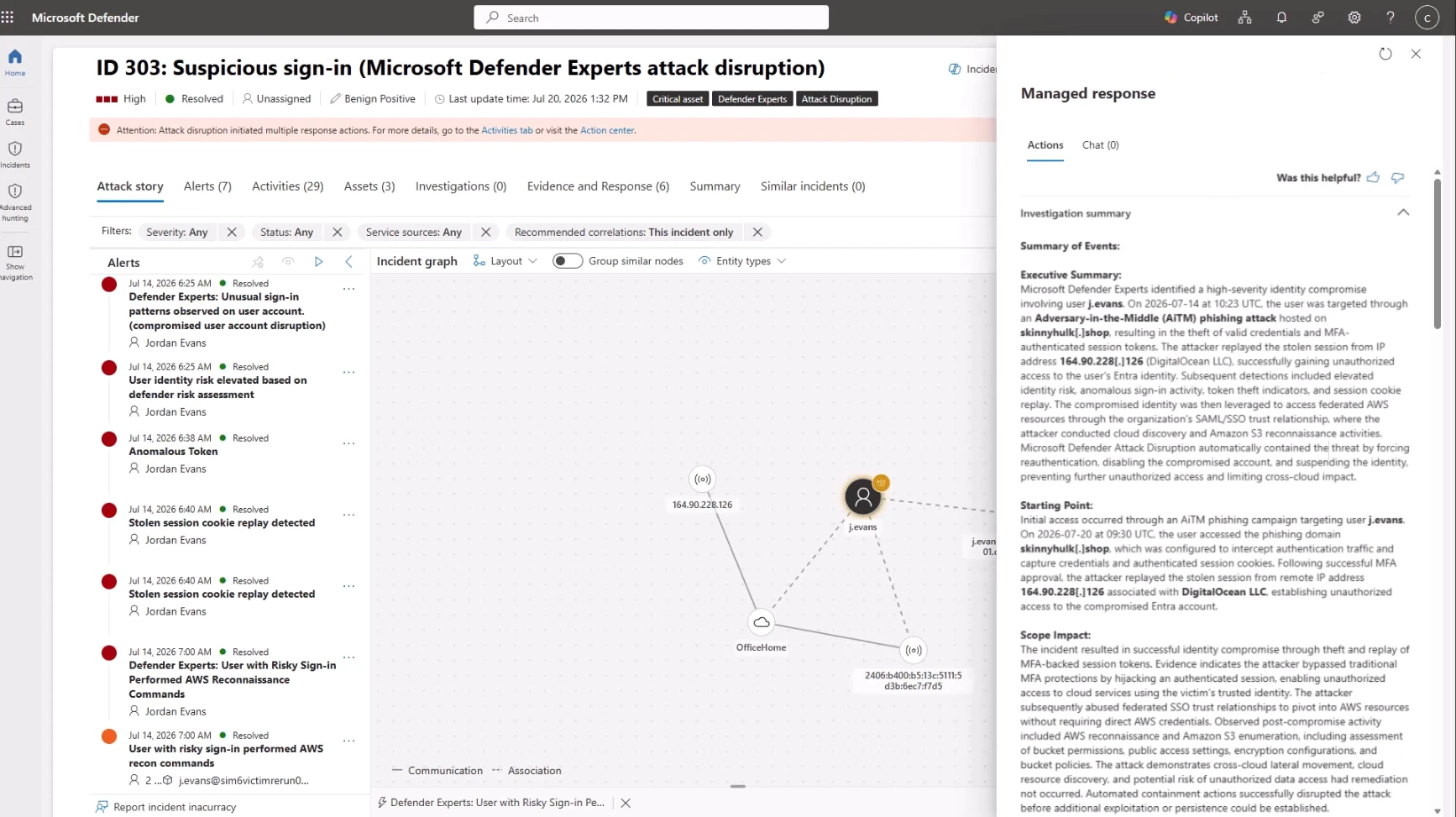
Extend expert-led protection with new capabilities from Microsoft Defender Experts
Microsoft Defender Experts Threat Intelligence delivers expert-led threat intelligence and actionable insights tailored to your geography, industry, and risk profile to help security teams anticipate cyberthreats, assess risk, and take informed action. Microsoft Defender Experts MDR now covers third-party data sources ingested through Microsoft Sentinel. This extends around-the-clock managed detection and response and threat hunting to deliver protection across both Microsoft native and third-party data sources, including Palo Alto Networks, Amazon Web Services (AWS), Okta, and more. This coverage is available through Microsoft Defender Experts MDR P2.
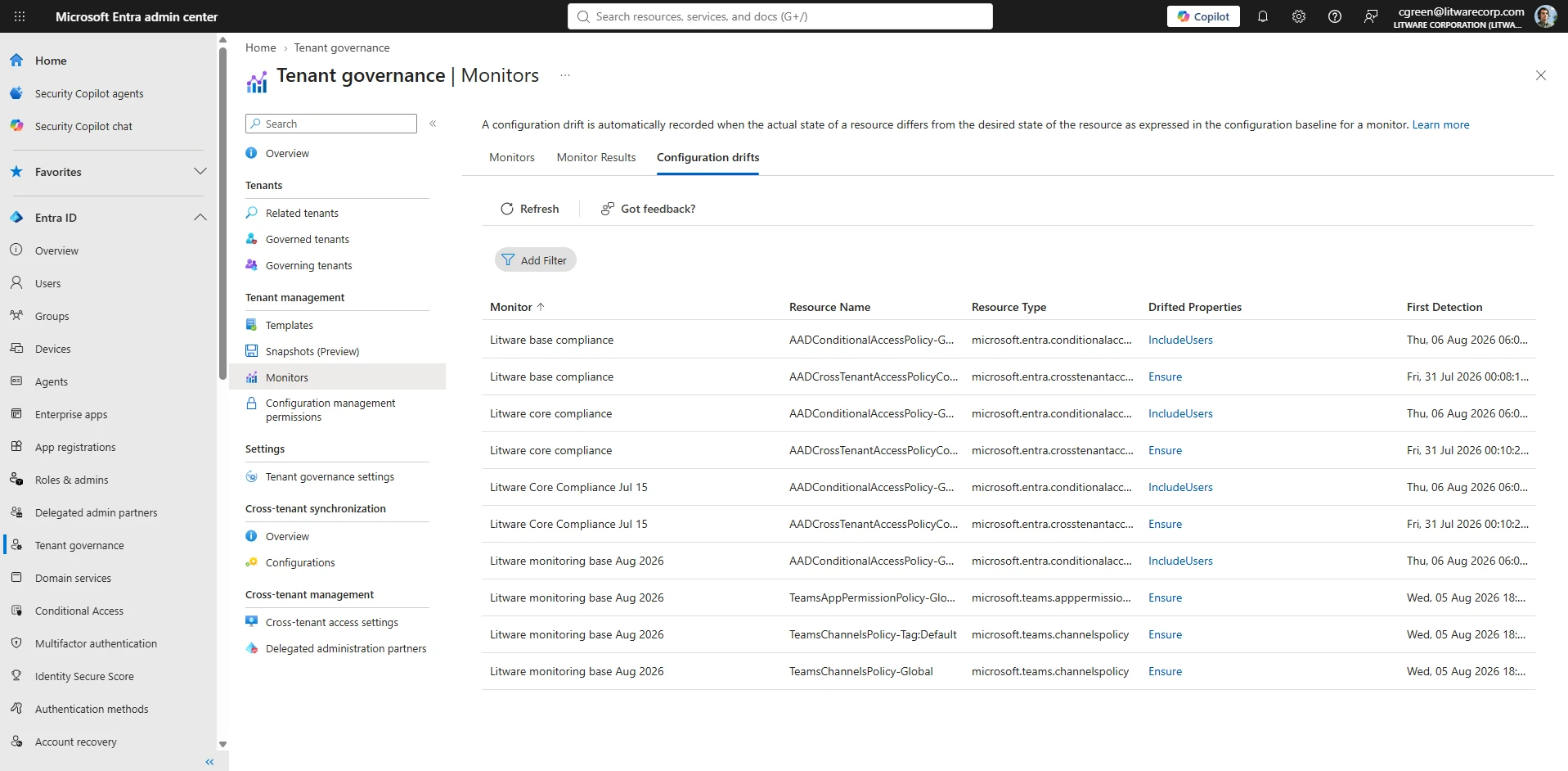
Strengthen identity foundations for the AI era with Microsoft Entra
Microsoft Entra Tenant Governance brings an organization’s tenants into a single view to help address security gaps and blind spots. Centralized policies and cross-tenant delegated administration of multi-tenant environments help reduce shadow-tenant risk, configure policies, monitor configuration drift, and strengthen identity foundations for AI-powered operations.
Accelerate your move to cloud-native endpoint management with Microsoft Intune
Windows Autopilot device association lets admins link devices to their tenant and configure pre-enrollment experiences. Admins can optimize the out-of-box experience and rename devices, reducing onboarding friction.
Windows Unattended Support with Remote Sign-In allows IT and support staff to sign in to devices remotely, without involving the user. Role-based permissions, compliance checks, and session auditing are built in.
Speed up Microsoft Copilot readiness with scalable Microsoft Purview auto-labeling
Auto-labeling policies in Microsoft Purview now process up to 500,000 SharePoint and OneDrive files per day, up from 100,000. This increased limit helps organizations label and protect more content, extending data protection coverage. Because sensitivity labels help apply key security controls, including encryption and data loss prevention (DLP), organizations can extend data protection across more content and support their Microsoft 365 Copilot adoption efforts.
Contain agents with Microsoft Security Exposure Management
New Secure Now guidance for agentic containment helps organizations put controls in place before autonomous agent action expands across the environment. The recommendations focus on constraining agent-initiated actions that occur without explicit user approval, and hardening attack surfaces, limiting impact, governing identities and permissions, and increasing visibility across the environment.
Stay in the Loop
Microsoft Security is focused on delivering innovations across our portfolio, along with research-driven insights and reports for the security community. In the Loop posts are your reliable source of what’s new across Microsoft Security and what it means for your security strategy. Check back for the next drop.
To learn more about Microsoft Security solutions, visit our website. Bookmark the Security blog to keep up with our expert coverage on security matters. Also, follow us on LinkedIn (Microsoft Security) and X (@MSFTSecurity) for the latest news and updates on cybersecurity.
The post What’s new in Microsoft Security: August 2026 appeared first on Microsoft Security Blog.